DICKENS AND HIS OLDER PEOPLE: Transitional, Middle and Later Novels (1842–1870)
SUBTITLEDAVID COPPERFIELD — PART ONE: Contextual Overview
DATE30 April 2026

Dickens and Victorian Literature
DICKENS AND HIS OLDER PEOPLE: Transitional, Middle and Later Novels (1842–1870)
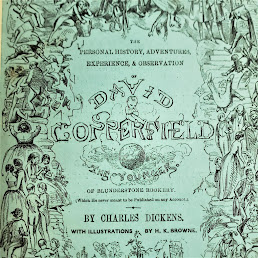
DAVID COPPERFIELD — PART ONE: Contextual Overview
Arguably, to understand David Copperfield, it is essential to understand Charles Dickens.
Dickens and Victorian Literature
DICKENS AND HIS OLDER PEOPLE: Transitional, Middle and Later Novels (1842–1870)
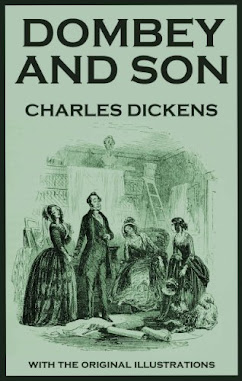
DOMBEY AND SON (1846) — PART TWO: The Cast of Major and Supporting Older Adults: The Good, the Bad and the Ugly
We move on to an analysis of individual older characters.
Dickens and Victorian Literature
DICKENS’ OLDER PEOPLE: TRANSITIONAL AND MIDDLE NOVELS (1842–1861)
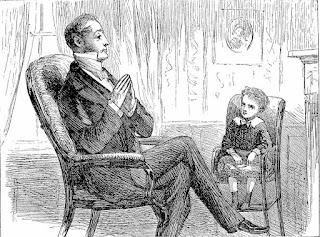
DOMBEY AND SON (1846) — Part One: Introduction and Context: The Curse of Middle Class Assumptions and Presumptions
This is Dickens’ seventh major work and a significant departure from his earlier novels.
Dickens and Victorian Literature
Dickens’ Older People in his Transitional and Middle Novels
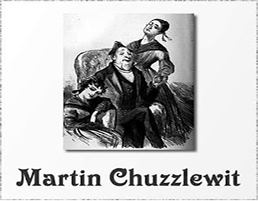
MARTIN CHUZZLEWIT (1842) — PART THREE: THE CAST OF MAJOR AND SUPPORTING OLDER ADULTS: The Good, the Bad and the Ugly
It is time to move on from the three principal older character portrayals.
Dickens and Victorian Literature
Dickens Older People: Transitional Novel and Middle Novels (1842–1861)
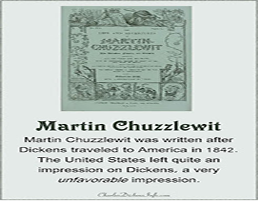
MARTIN CHUZZLEWIT (1842) — PART TWO: Pecksniff, Gamp and Dickens Exposed
Are we overlooking the inherent ageism these characters display?
Dickens and Victorian Literature
DICKENS OLDER PEOPLE: TRANSITIONAL NOVEL and MIDDLE NOVELS
MARTIN CHUZZLEWIT (1842) — PART ONE: INTRODUCTION AND CONTEXT
In constructing an analysis of both primary and supporting older characters, I am reminded of Keith Selby’s comment.
Dickens and Victorian Literature
Dickens’ Older People in his Transitional and Middle Novels
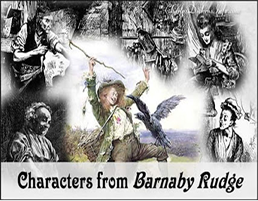
BARNABY RUDGE: A Tale of the Riots of ‘Eighty’ (1841) — PART TWO: THE CAST OF OLDER ADULTS
There are basically thirty-four characters in Rudge, of whom fifteen could reasonably be viewed as fifty years or older.
Dickens and Victorian Literature
DICKENS OLDER PEOPLE: The Portrayal of Older Adult Characters in his Novels
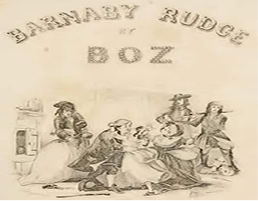
BARNABY RUDGE: A Tale of the Riots of ‘Eighty’ (1841) — PART ONE: BY WAY OF INTRODUCTION AND CONTEXT
What was Dickens’s intention and motivation for embarking on this project?
Dickens and Victorian Literature
THE PORTRAYAL OF OLDER ADULT CHARACTERS IN CHARLES DICKENS’S EARLY NOVELS: DICKENS OLDER PEOPLE
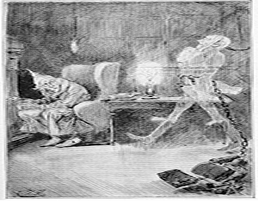
“A CHRISTMAS CAROL” NOVELLA (1843) — PART TWO: EBENEZER SCROOGE IN TIME AND PLACE
What, however, can it tell us about the portrayal of older characters such as Scrooge, Marley and Fezziwig?
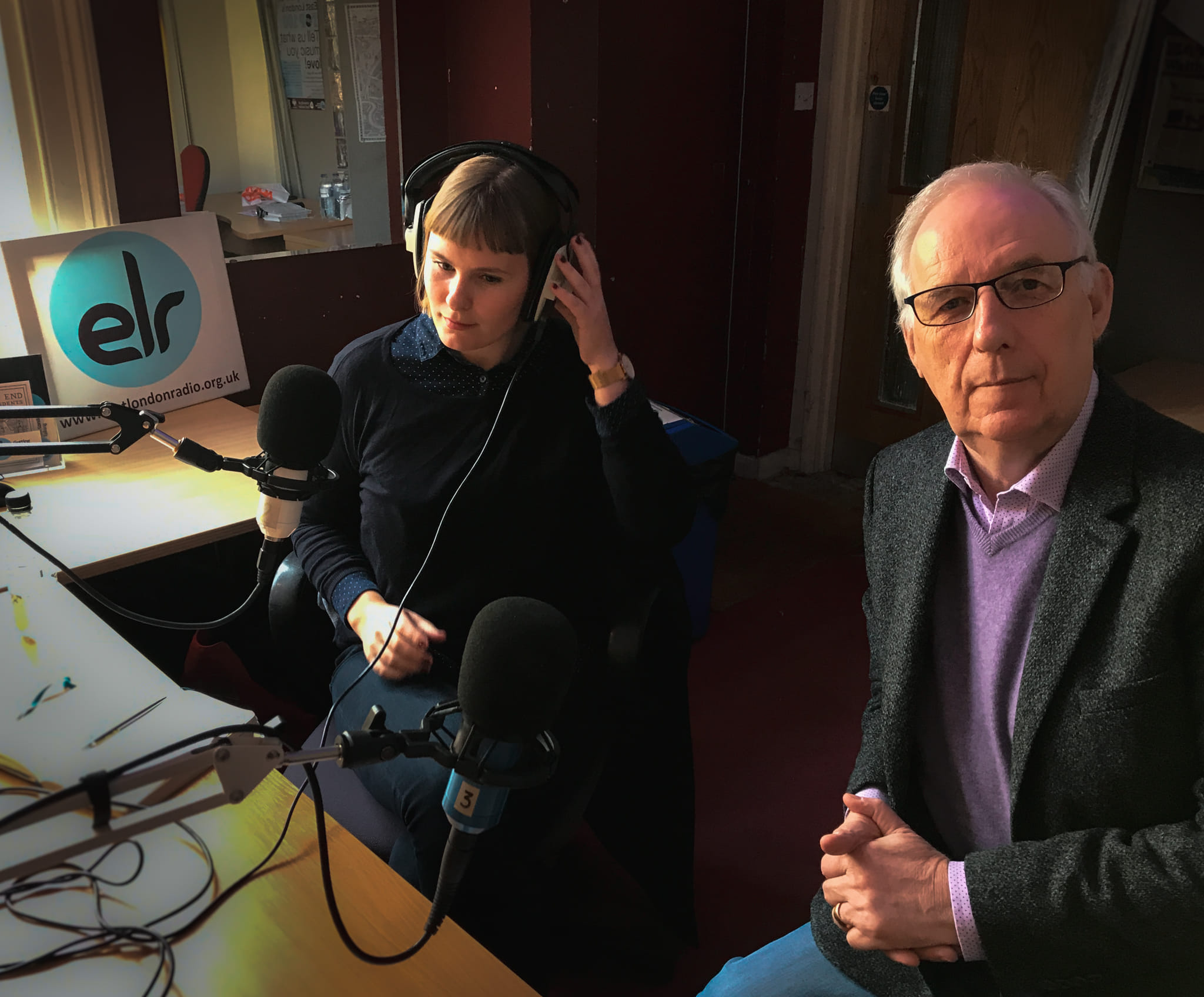
Dr Mervyn Eastman is a UK social care professional, author, and literary gerontology scholar. His work spans adult safeguarding, elder abuse awareness, ageing policy, public advocacy, and the representation of older people in literature.
DICKENS AND HIS OLDER PEOPLE: Transitional, Middle and Later Novels (1842–1870)
SUBTITLEDAVID COPPERFIELD — PART ONE: Contextual Overview
DATE30 April 2026
DICKENS AND HIS OLDER PEOPLE: Transitional, Middle and Later Novels (1842–1870)
SUBTITLEDOMBEY AND SON — PART TWO: The Cast of Major and Supporting Older Adults
DATE12 February 2026
DICKENS’ OLDER PEOPLE: Transitional and Middle Novels (1842–1861)
SUBTITLEDOMBEY AND SON — PART ONE: Introduction and Context
DATE10 July 2025
Questions about Dr Mervyn Eastman’s work on literary gerontology, adult safeguarding, dignity in ageing and public engagement.
 Mostly Asked
Literary Gerontology explores how ageing and older people are portrayed in literature. It helps reveal how cultural attitudes continue to shape perceptions of ageing, dignity and social care today.
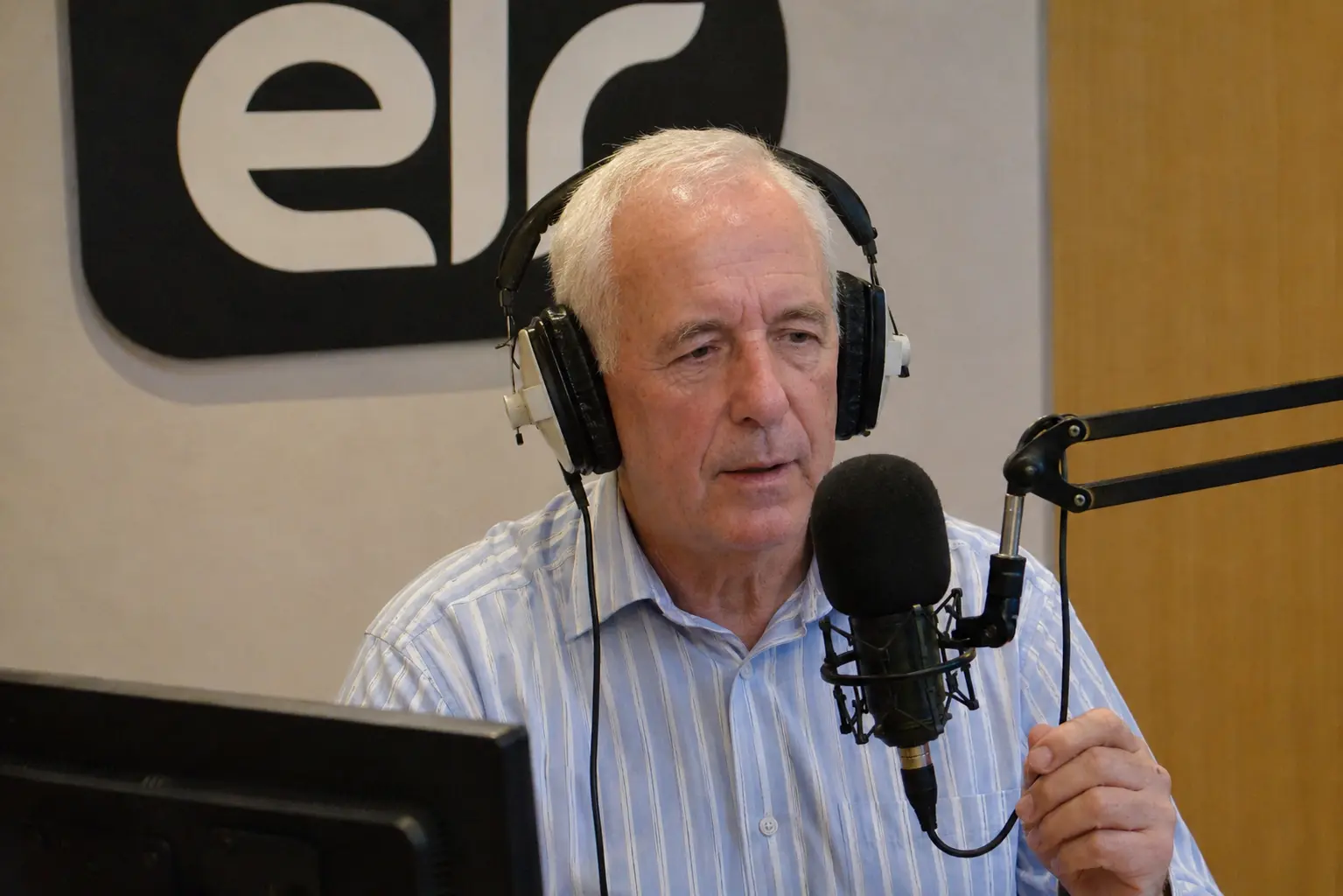
Dr Eastman's research shows how ageist attitudes can influence care practice. Understanding these narratives helps professionals promote more respectful safeguarding.
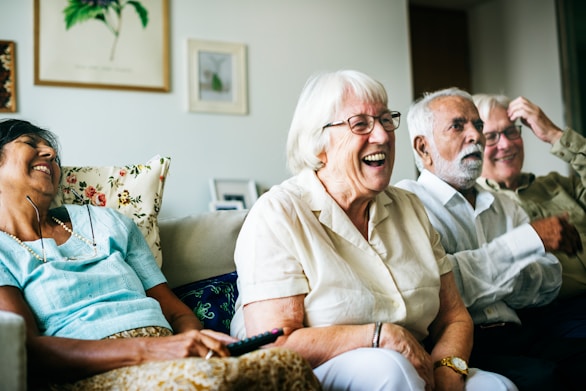
Dignity in ageing means recognising every older person as an individual with rights, choice and purpose. It promotes respect, independence and participation rather than dependence.
 Mostly Asked
Absolutely. Through LLARC, his writing and public talks, Dr Eastman encourages discussion on ageing, social care and ageism, ensuring older people's voices are heard.